Tides of Purpose
Building a Tourism Legacy on Tasmania’s Wild Coast
Long before the fleet of yellow boats became one of Tasmania’s most recognisable tourism icons, before hundreds of thousands of guests stepped aboard for wilderness cruises and coastal adventures, Robert Pennicott was a twelve-year-old boy with a determination that would quietly shape his future.
He remembers asking his father if he could borrow a boat to begin fishing. The answer was no. Instead, his father offered something far more valuable. He lent his son three thousand dollars at ten percent interest and gave him ten weeks to repay it. If he failed, the boat would be sold.
For most children, it would have been a daunting proposition. For Pennicott, it was the beginning of an education in risk, resilience, and responsibility.
Within ten weeks, he had repaid the debt and earned more than six thousand dollars selling fish and crayfish. The experience stayed with him. It was not simply about making money. It was about understanding that ambition meant little without action.
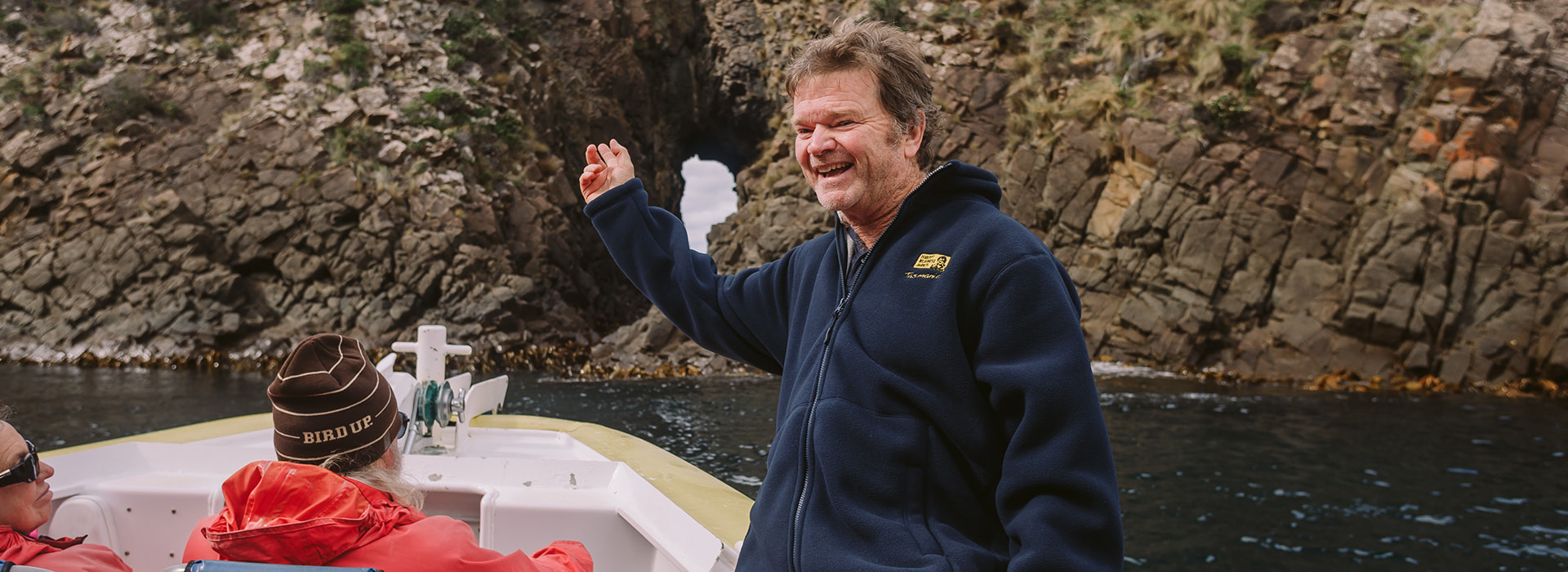
Years later, after working as a fisherman and spending countless days navigating Tasmania’s southern coastline, Pennicott began taking friends out on the water. What started as shared adventure soon became something more meaningful. He found himself guiding people beneath towering cliffs, into sea caves, past blowholes, and alongside colonies of seals, dolphins, whales, and seabirds.
There was a magic in those reactions. People were not just looking at landscapes. They were experiencing awe.
That realisation would become the foundation of a business.
Building a Business Against Conventional Advice
In 1999, Pennicott officially launched his first tourism venture with a twelve-seat boat. It was a modest operation, built on passion more than business planning. The first year was financially brutal. He lost forty thousand dollars. For many entrepreneurs, that might have been the end. For Pennicott, it was merely data.
He adjusted pricing, refined the experience, improved the product, and trusted that the guests who walked away smiling were telling him something the balance sheet could not yet show.
By the second year, the business was turning a profit. By the third, demand was so strong that he was turning people away. Then came the first major leap.
Against widespread advice, Pennicott invested in a forty-eight-passenger vessel. It was the kind of decision that often separates dreamers from builders. Once again, he trusted his instincts.
The gamble paid off.
Demand accelerated. More departures followed. More boats were added. New destinations emerged. What had started as a single vessel soon evolved into a network of marine and land-based tourism experiences across Tasmania.
Today, the business operates a substantial fleet of boats and buses, carries approximately 180,000 guests annually, and employs a large team across multiple experiences.
For Pennicott, however, growth has never been the true metric of success.
The Philosophy Behind the Fleet
Ask Pennicott what matters most, and the answer arrives without hesitation.
“I want to operate a business that makes the world a better place for having operated in it,” Pennicott states.
It is a statement that could easily sound rehearsed in a boardroom. In his case, it feels deeply personal.
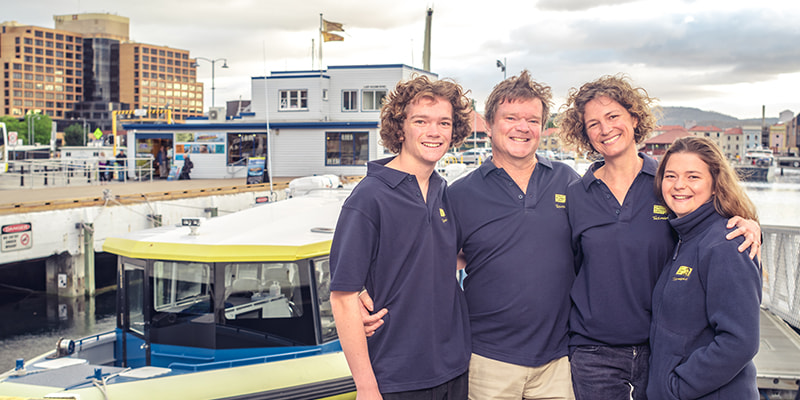
Pennicott speaks less like a corporate founder and more like a custodian of something larger than himself. He talks about guests, staff, wildlife, local communities, and future generations as though they are all interconnected pieces of the same ecosystem.
That philosophy is visible across the operation.
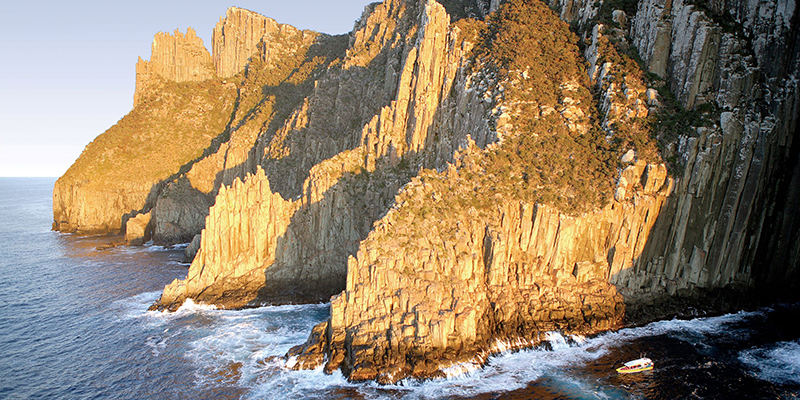
The experiences themselves are designed around immersion rather than spectacle. Guests travel through some of the most dramatic marine environments in the Southern Hemisphere, moving beneath Jurassic cliffs, exploring sea caves, and encountering wildlife in its natural habitat.
But the real product, Pennicott insists, is connection.
He believes tourism should not simply entertain. It should educate, inspire, and leave people with a stronger sense of place.
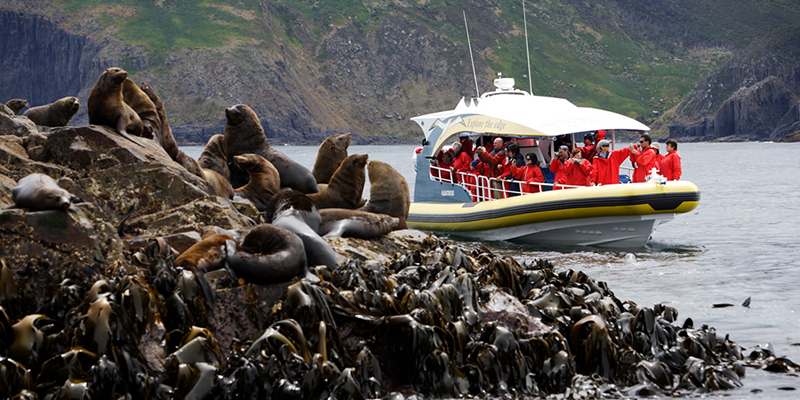
That philosophy has become one of the defining characteristics of the brand and one of the reasons it has earned international recognition.
Creating a Culture That Feels Like Family
Behind every boat departure, every guest interaction, and every operational success is a workforce Pennicott describes as the beating heart of the business.
He is deeply invested in culture.
Not in the corporate sense of mission statements printed on walls, but in the practical sense of creating an environment where people feel valued.
He speaks about skippers, drivers, deckhands, cleaners, hospitality staff, and office teams with equal respect.
In his mind, every role matters.
If one part of the machine stops working, the entire system suffers.
That belief has shaped the way Pennicott recruits, trains, and retains staff.
He looks for people whose values align with the organisation’s purpose. Skills can be taught. Character, he believes, cannot.
The result is remarkably low staff turnover, a strong sense of loyalty, and a workplace culture that many describe as family-like.
Pennicott also invests heavily in wages, training, mental well-being, and support systems.
He has little interest in losing staff to competitors over conditions.
He would rather lead than react.
“I don’t want a staff member to ever leave because they’re unhappy,” Pennicott states.
In an industry often challenged by workforce instability, that approach has become a competitive advantage.
Tourism with a Conscience
If the cruises introduced people to Tasmania’s beauty, philanthropy became the mechanism through which Pennicott could help protect it.
What began years ago with local beach clean-ups and community donations has grown into something far more ambitious.
Today, the Pennicott Foundation supports hundreds of organisations and projects annually, ranging from environmental restoration and medical research to youth development and Indigenous initiatives.
Pennicott speaks passionately about island restoration programs that have saved tens of thousands of seabirds each year. He talks about funding educational programs, supporting regional communities, and backing conservation initiatives that deliver measurable ecological outcomes.
He also voluntarily offsets the company’s carbon footprint, despite the high operational cost of doing so.
Over the years, the company has received major recognition for sustainability and environmental tourism excellence, including international accolades that confirmed Pennicott’s belief that business can generate both profit and impact.
His focus remains on what comes next.
Weathering the Storm of COVID
Like every tourism operator, Pennicott faced one of the greatest challenges of his career during the pandemic. While operations slowed, uncertainty became constant. Decisions carried greater weight. But rather than retreat, he doubled down on what mattered most: his team.
He stayed in constant contact with staff, meeting virtually, checking in regularly, and doing everything possible to maintain morale and connection. The experience changed him. It also changed the business.
Pennicott emerged from the pandemic determined to strengthen operational resilience. Debt was eliminated. Financial reserves were built. Weaknesses were addressed. The business became leaner, stronger, and more prepared for future uncertainty. More importantly, his belief in people was reinforced.
Looking Beyond the Horizon
Even after more than twenty-five years in business, Pennicott still talks about the future with the enthusiasm of a founder in his first year. He points to New vessels that are already being commissioned, and expansion opportunities remain on the table, while focusing on the best experience.
But as much as growth excites him, his priorities have shifted. He speaks more now about balance and about ensuring staff are not overworked during peak seasons and on building a company that can thrive for generations, not just quarters.
In Tasmania’s roaring seas and ancient coastlines, he found not only his livelihood but his life’s work.
And after thousands of departures, countless guests, and decades of risk, Robert Pennicott still appears to be steering by the same compass he first discovered as a boy with a fishing boat and a debt to repay.
AT A GLANCE
Who: Pennicott Wilderness Journeys
What: A leading tourism operator that puts clients first and is dedicated to a unique tourist experience
Where: Hobart and Southern Tasmania, Australia.
Website: www.pennicottjourneys.com.au
PREFERRED VENDORS/PARTNERS

Pennicott Wilderness Journeys – www.pennicottjourneys.com.au