
Coming Home to Care
Reimagining Ageing in Regional Australia
In the heart of Cessnock, where coal mining history still shapes the rhythm of daily life, a quiet transformation is taking place inside one of regional Australia’s most respected aged care providers.
For more than three decades, Northern Coalfields Community Care Association has served older residents across the Hunter region, delivering everything from residential care and home support to community transport and meals services. But as the expectations of ageing Australians shift, the organisation is asking a bigger question than how to provide care. It is asking how to help people keep living.
That question sits at the centre of a conversation with Tony Bidstrup, who leads an organisation built on local ownership, community values, and a deep understanding of the region it serves. In speaking about the future of care, Bidstrup does not begin with funding models, staffing ratios, or government reforms. He begins with people. Families. Memories. The photographs someone hangs beside their bed. The meal a resident wants on a Friday night. The simple, powerful reality that growing older should never mean losing yourself.
Established in 1988 and now employing more than 270 staff, NCCCA has grown from a local community initiative into a multi-service provider supporting older people across residential care, retirement living, in-home support, transport, respite, and palliative services. Yet despite its scale, the organisation’s identity remains deeply local, with operations rooted in the communities it was created to serve.
Built by a Community, for a Community
Long before the vineyards and tourism economy helped redefine the Hunter region, the Northern Coalfields were known for something else entirely. It was built on coal. Families worked hard, generations stayed close, and communities learned to look after their own.
That spirit still runs through NCCCA.
Bidstrup describes the organisation as one that was created by local people who recognised a growing need among older residents who no longer required hospital care but still needed support, safety, and dignity. That mission has remained largely unchanged, even as the organisation itself has expanded.
Today, NCCCA supports a predominantly lower socioeconomic client base, reflecting the demographic realities of the region. Many of the people receiving care are former miners, partners of miners, or residents whose families helped shape the area’s industrial identity. At the same time, the region is evolving, bringing new expectations, lifestyles, and pressures into the aged care sector.
Rather than viewing those changes as a threat, Bidstrup sees them as an opportunity to reimagine what community care can look like.
More Than Clinical Care
There are approximately 270 staff across the organisation, spanning residential care, community care, transport, nursing, administration, and support services. But while qualifications remain essential, Bidstrup believes certificates alone do not create exceptional care.
He speaks candidly about one of the sector’s biggest challenges: finding people who are not simply trained to work in aged care, but genuinely called to it.
“We can teach systems. We can teach compliance. What’s harder to teach is the passion for caring for people as they age,” Bidstrup notes.
That distinction matters in a region facing complex health challenges. Cessnock has one of the highest rates of chronic illness in the country, including heart disease and diabetes, creating a level of clinical complexity that stretches across every layer of care delivery. Staff must not only be competent, but also emotionally equipped to support residents whose needs can change dramatically and often unexpectedly.
Yet Bidstrup insists clinical care cannot become the entire story.
He returns repeatedly to the importance of helping people continue living meaningful lives, whether that means attending a social club, seeing grandchildren, going shopping, or simply having the freedom to make small personal choices.
A New Model of Welcome
Perhaps the most ambitious change happening at NCCCA is not a new building or service line, but a cultural shift in how residents enter care.
For decades, aged care providers across the sector have used the language of “admission,” borrowing terminology more commonly associated with hospitals. Bidstrup believes that language matters more than people realise.
His team is now developing a relationship-based model of care designed to replace institutional thinking with something warmer, more personal, and more human.
“You’re not being admitted. You’re moving into your home,” Bidstrup relays.
It is a simple change in language, but one with enormous implications.
Bidstrup acknowledges that families often struggle with the emotional transition into residential care, sometimes downplaying permanence to help loved ones accept the move. His ambition is to change that narrative entirely, so entering care no longer feels like surrender, but the beginning of a new chapter.
That transformation, he admits, will not happen overnight. It may take two years or more to embed across staff, families, and the wider community. But the vision is clear.
Staying Connected to Life
For many older Australians, the desire to remain at home is stronger than ever.
Bidstrup hears the same message repeatedly from clients: people want to stay in their own homes for as long as possible.
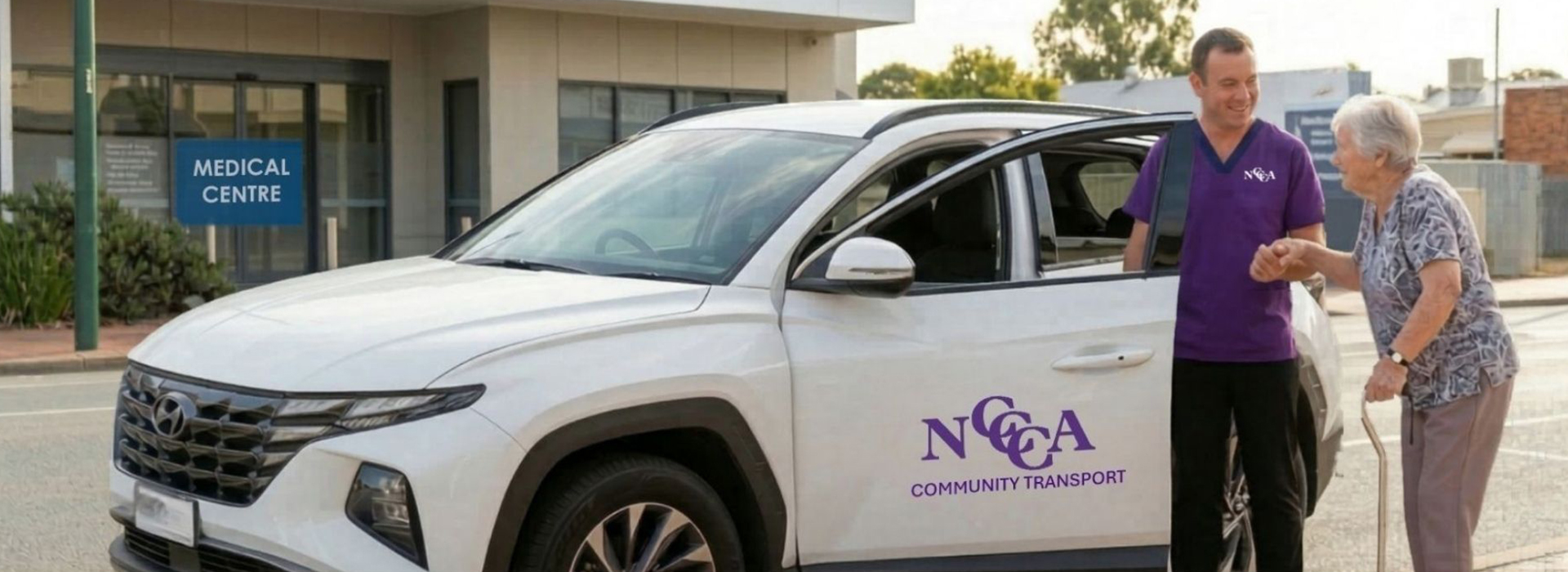
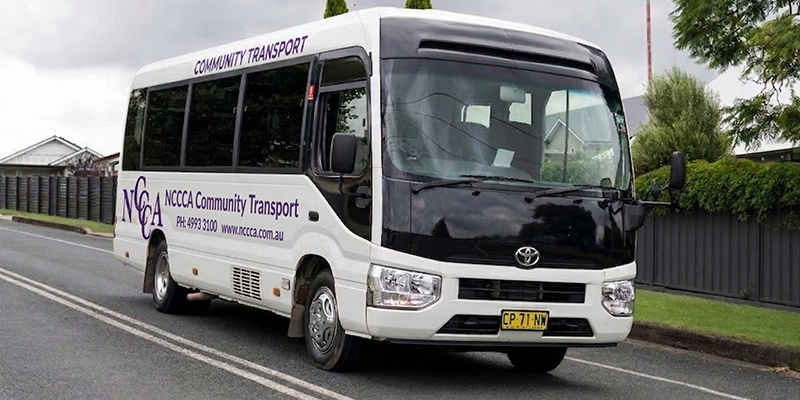
NCCCA has responded by strengthening its in-home support services, helping residents maintain independence while staying connected to their communities. Services include home support, nursing, transport, social programs, and practical assistance designed around individual needs.
But Bidstrup also believes independence should not come at the cost of safety.
Some people, he says, remain at home longer than is realistic, often struggling with isolation, declining mobility, or limited access to support. That is why the organisation is working toward a more balanced continuum of care, where older people can move between home care, assisted living, and residential care without losing their sense of identity or community connection.
Building the Future of Ageing
To support that vision, NCCCA is preparing for one of the most significant infrastructure developments in its history.
The organisation owns substantial vacant land in central Cessnock and is now progressing plans to develop between 100 and 150 independent and assisted living units adjacent to its existing care sites. If approved, the development would place older residents within walking distance of doctors, pharmacies, entertainment, and the social life of the town centre.
It is not simply a housing project: it is a statement about ageing.
Rather than pushing older people to the outskirts of their communities, NCCCA wants them in the centre of it.
That philosophy mirrors the organisation’s broader mission: care should never remove people from life. It should help them stay part of it.
Rights, Choice, and the Future
Like every aged care provider in Australia, NCCCA is navigating significant legislative and regulatory change.
Bidstrup welcomes much of it.
He describes the sector’s move toward a rights-based framework as both necessary and overdue. But he is equally realistic about the challenge ahead.
Policies can change quickly. Culture changes slowly.
Families, staff, and even residents themselves are still adjusting to what genuine choice looks like in practice.
Sometimes that means difficult conversations. Sometimes it means respecting choices that family members might not agree with. Sometimes it means something as simple as letting someone have ice cream for dinner.
“If that’s what they want, why shouldn’t they have it?” Bidstrup asks.
The quote may sound light-hearted, but it reflects a serious shift in aged care philosophy: moving from doing things for people to doing things with them, and ultimately allowing them to decide for themselves.
A Different Kind of Legacy
When asked what makes NCCCA different from larger providers, Bidstrup does not point to buildings, budgets, or service numbers.
He points to belonging.
The organisation remains community-owned, locally governed, and deeply connected to the region’s identity. It has also invested heavily in clinical leadership, employing an unusually high number of nurse practitioners for an organisation of its size. That combination of local heart and clinical depth has helped build a model few regional providers can replicate.
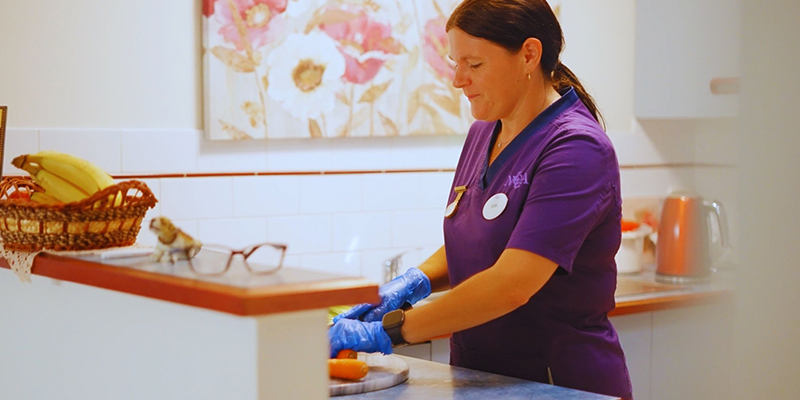
But perhaps the most revealing insight comes when Bidstrup speaks about kitchen staff.
He tells them they have the privilege of serving someone’s final meal. No one knows when that meal will come. But when it does, it should taste good, look good, and be served in a place filled with dignity. It is a deeply human way of thinking about care. And perhaps that is what defines NCCCA most of all. Not the facilities, not the growth, not even the strategy. It is rather, he describes, the belief that ageing is not an ending to be managed.
It is a life to be honoured.
AT A GLANCE
Who: Northern Coalfields Community Care Association
What: Community-owned aged care and support services, including residential care, retirement living, home care, transport, respite, and palliative services
Where: Cessnock and the Hunter region, Australia
Website: www.nccca.com.au
PREFERRED VENDORS/PARTNERS

Morrison Living – www.morrisonliving.com.au
Morrison Living is a specialist provider of hospitality-led food and support services for senior living and aged care communities. Working closely with the residents they serve, Morrison Living teams deliver personalised, compliant and high-quality experiences that enhance wellbeing, improve operations and elevate resident satisfaction.